

For many prospective business owners, the excitement of starting a new venture hits a wall the moment the conversation turns to money. Financing is frequently the single biggest mental hurdle standing between a talented professional and franchise ownership. The assumption is often binary: you either have deep pockets filled with cash, or you don’t play the game.
But the reality of franchise financing in 2026 is far more flexible (and structured) than most people realize. The landscape has evolved to support serious, qualified candidates who are ready to work within a proven system. You don’t need to be a millionaire to get started, but you do need to understand how lenders view risk, leverage, and liquidity.
Whether you are looking at SBA franchise loans, utilizing retirement funds, or considering a capital-light model, the goal is to align your funding strategy with your long-term business goals.
The Franchise Financing Landscape in 2026
Franchise financing has matured significantly over the last decade. Lenders today have a much deeper understanding of franchise models compared to independent startups. They aren’t just looking at you; they are looking at the system you are buying into.
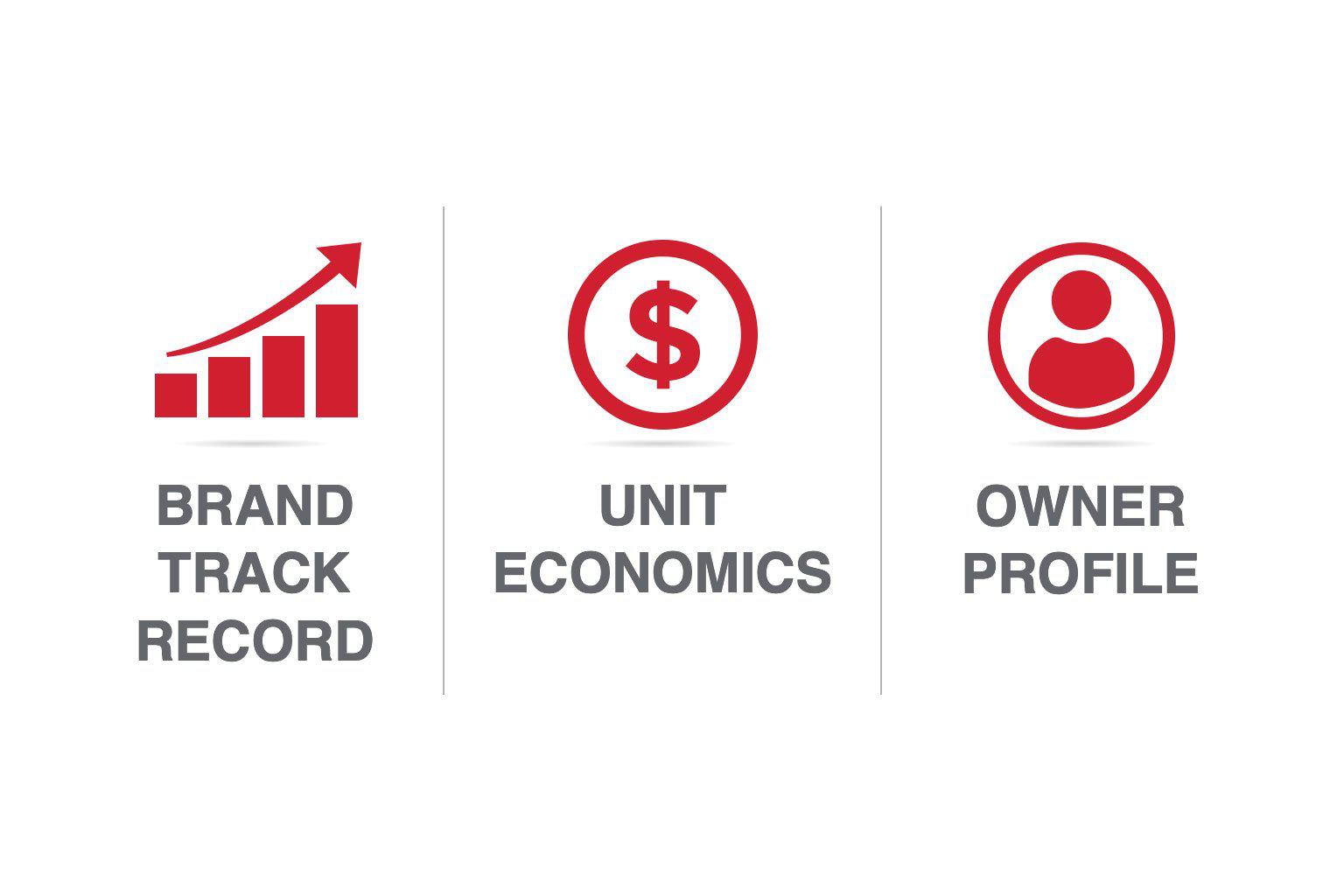
In 2026, financing approval often hinges on three core pillars:
- Brand Track Record: Does the brand have established systems with data to back up their performance?
- Unit Economics: Does the individual franchise unit have a history of profitability?
- Owner Profile: Do you have the transferrable skills to execute the model?
This shift in lender perspective is why franchises with recurring revenue models and low overhead costs are often viewed favorably. Lenders like predictability. A capital-light franchise model, like with BNI, often presents a lower risk profile to financiers because the path to positive cash flow doesn’t require navigating massive real estate build-outs or heavy inventory costs.
SBA Franchise Loans: What to Know
One of the most common routes for funding is the Small Business Administration (SBA) loan program. While not a direct lender, the SBA guarantees a portion of loans issued by banks, reducing the risk for the lender and opening doors for borrowers.
Common uses for SBA franchise loans include:
- Covering the initial franchise fee.
- Purchasing equipment or technology.
- Providing initial working capital to bridge the gap until profitability.
Franchises typically have an easier time securing these loans than independent startups because they come with a playbook. Lenders can look at historical performance data rather than relying on the hypothetical projections of a new concept.
However, approval isn’t automatic. Smart buyers should ask lenders specific questions early in the process:
- What is the required cash injection? (Usually 10-30% of the total project cost).
- What are the collateral expectations? (Will you need to pledge personal assets?).
- What is the timeline to funding? (SBA loans can take time; knowing the runway is critical).
For franchise models with lower entry costs, this process is often streamlined. When the total capital requirement is lower, the complexity of the financing package often decreases, allowing owners to move faster.
Using Retirement Funds: 401(k) Rollovers

Another option that continues to be utilized by franchise buyers is the Rollover for Business Startups (ROBS). This strategy allows you to use your existing retirement funds, like a 401(k) or IRA, to fund your business without triggering early withdrawal penalties or taxes.
Why consider this route?
- Debt Avoidance: It allows you to start your business debt-free, which can improve cash flow in the early months.
- Speed: Access to capital is often faster than waiting for bank underwriting.
However, this strategy carries distinct risks. You are essentially investing your retirement nest egg into your current business venture. If the business struggles, your long-term security is directly impacted.
Cash vs. Leverage: Thinking About Risk
There is a common misconception that paying all cash is always the “safest” move. While it eliminates debt service, it also ties up your liquidity. Smart franchise owners in 2026 evaluate risk differently. They consider leverage (using borrowed capital) as a tool to preserve their own cash reserves for unexpected challenges or growth opportunities.
When evaluating cash versus leverage, consider:
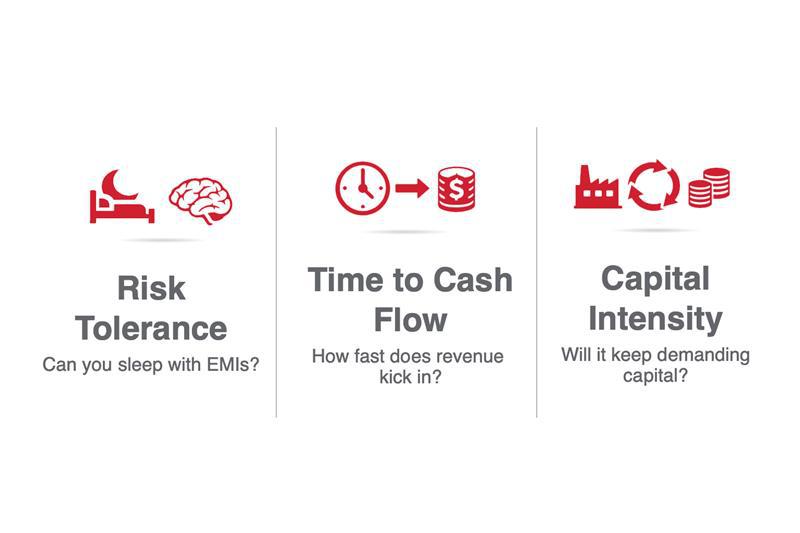
- Risk Tolerance: Can you sleep at night with a loan payment?
- Time to Cash Flow: How quickly will the business generate revenue to cover debt service?
- Capital Intensity: Does the business require constant reinvestment?
This is where capital-light franchises like BNI offer a strategic advantage. Because the initial investment is lower compared to brick-and-mortar concepts, owners can often start with significantly less financial exposure. This allows them to scale their business without the pressure of heavy debt loads or the need for massive operational reinvestment.
Financing is About Fit, Not Just Approval
Just because you can get approved for a massive loan doesn’t mean you should take it. The right financing strategy is one that fits your personal financial goals and lifestyle preferences.
When choosing a franchise, look beyond the loan approval letter. Consider the total capital at risk and the ongoing operating leverage. High-overhead businesses require high revenue just to break even. Conversely, franchise models focused on service and relationships often provide more financing flexibility because the break-even point is lower.
Ultimately, you want a financing structure that supports the business you want to own, not one that dictates how you run it.
The Best Strategy Supports Your Goals
Franchise financing in 2026 is accessible for those who approach it with a clear plan. The smartest buyers don’t just look for money; they look for a business model that treats their capital with respect.
Brands that offer capital-efficient ownership and predictable revenue structures allow you to focus on growth rather than debt management. If you are looking for a business opportunity that balances scalability with sensible financial entry points, it is worth exploring models that prioritize performance over overhead.
To learn more about how the BNI franchise model works and whether it aligns with your financial goals, connect with our franchise development team today.