

The landscape of entrepreneurship is shifting. For decades, the image of “owning a franchise” was synonymous with a physical storefront: bright signage, heavy foot traffic, and a large staff. It was about visibility and scale in the most tangible sense.
However, a quiet revolution is taking place in the franchise world. Today’s most strategic buyers aren’t necessarily looking for the flashiest building on the block. Instead, they are prioritizing predictability, simplicity, and speed to profitability.
In an economic environment where “big builds” equate to big bets, smart capital is moving toward models that offer controlled upside. This shift isn’t about finding the cheapest option; it’s about finding the most strategic one. Low-overhead franchises are no longer just an alternative; they’re becoming the preferred path for modern business ownership.
What “Low-Overhead” Actually Means in Franchising
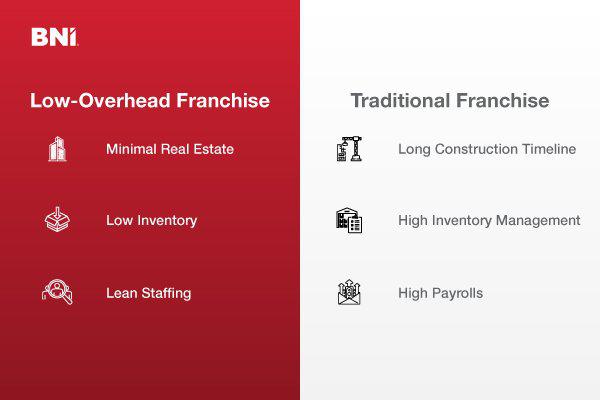
To understand why this sector is growing, we must first define it clearly. A low-overhead franchise is characterized by a lean operational structure that minimizes fixed costs. These models typically feature:
- Minimal Real Estate: Operations are often home-based or require only small, shared office spaces rather than expensive retail leases.
- Low Inventory: There’s no need to stockpile products or manage complex supply chains.
- Lean Staffing: The business can often be run by the owner or a very small team, reducing payroll complexity.
This stands in stark contrast to traditional brick-and-mortar franchises, which often require high payrolls, heavy inventory management, and long construction timelines before the doors even open. Low-overhead models strip away these barriers, offering a faster potential path to breaking even.
The Economic Forces Fueling the Trend
This surge in popularity isn’t happening in a vacuum. Specific economic pressures are reshaping how entrepreneurs evaluate risk and reward.
Higher interest rates mean the cost of capital has increased. Borrowing half a million dollars for a retail buildout carries much more weight today than it did five years ago. Additionally, tighter lending standards from the SBA and other institutions have made securing large loans more challenging.
Simultaneously, we’re seeing wage inflation and volatility in the commercial real estate market. These factors introduce variables that are difficult to control. In response, buyers are prioritizing cash flow and optionality. They want a shorter runway to profitability, rather than waiting years to recoup a massive initial investment. The low-overhead model aligns perfectly with this need for financial agility.
The Real Advantages of Low-Overhead Franchise Models
When you remove the heavy anchors of rent and large payrolls, you unlock a distinct value proposition for the business owner.
Lower Upfront Risk: With less capital tied up in physical assets, the financial exposure is reduced. This allows owners to retain more liquidity for growth and marketing.
Operational Simplicity: Managing a complex facility and a large roster of employees takes time and energy. Lean models allow owners to focus on what drives revenue: relationships, sales, and service delivery.
Easier Scaling: Because these businesses aren’t tethered to a specific building, expanding into new territories is often a matter of replicating a process rather than constructing a new site.
This affordable franchise model is particularly well-suited for a diverse range of owners, from first-time entrepreneurs testing the waters to portfolio operators looking to diversify their holdings without adding significant management overhead.
Why High-Income Earners Are Now Choosing Lean Models
Low-overhead franchises are attracting a specific demographic: high-income corporate professionals. These individuals aren’t looking to “buy a job.” They’re seeking a vehicle for wealth creation that offers autonomy.
For this group, time is often more valuable than titles. They prioritize control over corporate compensation packages and equity over a salary cap. They want the benefits of business ownership, flexibility and financial independence, without the chaos of managing a shift-work staff or a retail storefront. A lean franchise model offers a strategic way to transition from employee to owner while maintaining a professional lifestyle.
The Misconceptions Buyers Still Have
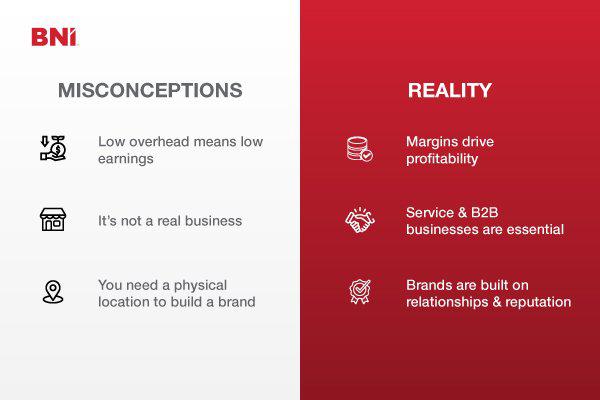
Despite the clear advantages, several misconceptions persist regarding low-overhead franchises. It’s important to address these to see the true potential of these models.
- Misconception: “Low overhead means low earnings.”
- Reality: Profitability is driven by margins, not just revenue. A business with lower revenue but significantly lower expenses can often net more profit than a high-revenue business with massive overhead.
- Misconception: “It’s not a real business.”
- Reality: Many service-based and B2B franchises are integral parts of the economy, providing essential services that businesses and consumers rely on daily.
- Misconception: “You need a location to build a brand.”
- Reality: In today’s business environment, brand presence is built through relationships, reputation, and engagement, not just signage.
Once these misconceptions are dispelled, it becomes clear that these models aren’t “small” businesses; they’re highly efficient businesses.
What to Look for in a High-Quality Low-Overhead Franchise
Not all lean franchises are created equal. When evaluating opportunities, experienced buyers should look for specific indicators of a robust system:
- Recurring Revenue: Does the model generate consistent income from repeat clients?
- Proven Training Systems: Is there a proven roadmap for success?
- Territory Protection: Are you guaranteed a market to develop?
- Relationship-Driven Sales Model: Does growth come from building connections rather than cold transactions?
- Ongoing Support: Will you have mentorship to help you navigate challenges?
A franchise that offers data visibility and transparent reporting demonstrates confidence in its model and a commitment to franchisee success.
Where BNI Naturally Fits This Model

The BNI franchise model exemplifies the strengths of low-overhead ownership. It’s built on the power of connection rather than physical infrastructure.
With no retail footprint, no inventory to manage, and no requirement for large teams, BNI focuses entirely on people. It’s a relationship-based growth engine where the “product” is the structured, supportive environment that helps members grow their businesses.
This model is designed for leaders, networkers, and business builders who thrive on facilitating success for others. It offers scalable territory rights, allowing ambitious owners to impact entire regions through the opening of multiple chapters.
Who This Model Is Best For Right Now

The low-overhead approach resonates with several specific buyer profiles:
- Corporate Professionals: Leaders seeking to exit the corporate environment and apply their executive skills to their own venture.
- Sales Leaders: Individuals who understand how to build relationships and drive results.
- Consultants & Coaches: Those who are already accustomed to selling their expertise and want a scalable framework.
- Multi-Business Owners: Entrepreneurs looking to add a complementary asset to their portfolio.
- Lifestyle-First Entrepreneurs: People who want to build a business around their life, rather than squeezing their life around a business.
How to Evaluate a Low-Overhead Franchise the Right Way
If you’re considering this path, look beyond the initial investment figure. Conduct a thorough due diligence process.
Ask the franchisor about the support systems in place. Inquire about ramp time—how long does it typically take to get the business operational? Discuss the expected level of owner involvement. Most importantly, participate in validation calls with current franchise owners. Ask them about their experiences, their challenges, and their results.
Attending a “Meet Your Team Day” is also invaluable. It allows you to see the culture firsthand and determine if the values of the organization align with your own.
Lean Is Strategic
Choosing an affordable franchise isn’t about playing small. It’s about playing strategically. It’s a decision to prioritize controlled growth, scalability, and intentionality.
The winners of the next decade won’t necessarily be the businesses with the most square footage. They’ll be the businesses that are the most adaptable, the most efficient, and the most connected to their markets. Low overhead isn’t a compromise; it’s a competitive advantage.
Explore whether a BNI franchise fits your goals of business ownership.