

Most people spend more time researching a car purchase than they do a franchise investment. That's not a criticism — it's a reflection of how unfamiliar the process can feel. Franchising has its own language, its own due diligence rhythm, and its own set of variables that don't map neatly onto other financial decisions.
The good news: the right questions make the process clearer. Evaluating a franchise opportunity doesn't require a business degree or years of investment experience. It requires knowing what to ask — and understanding what the answers actually reveal.
Here are seven questions that separate a well-suited franchise from one that simply sounds appealing.
1. Does the Business Model Match How You Want to Spend Your Time?
This question comes before financials, before brand recognition, before anything else. Franchise ownership is not passive. You will be deeply involved in the day-to-day operations of your business, especially in the early years. The question isn't just whether the model is profitable — it's whether you'll thrive in it.
A franchise built around managing inventory and hourly staff requires a different kind of leader than one built around coaching professionals and cultivating community. Before evaluating any opportunity on its merits, ask yourself honestly: what does a typical Tuesday look like in this business? Is that a Tuesday you want?
2. How Proven Is the System — and Over What Time Horizon?
Any franchise can claim a proven model. The distinction is in the evidence. How long has the brand operated? Has it grown through economic cycles, not just during favorable ones? Does it have a track record across multiple markets and geographies?
Longevity matters because business models get tested by adversity. A franchise that has grown continuously for decades has been pressure-tested in ways that newer concepts have not. When evaluating any opportunity, look for an established global model — one that has demonstrated resilience, not just early momentum.
3. What Does the Revenue Model Actually Look Like?
Revenue models vary significantly across franchise categories, and they determine more than just how much you earn — they shape how your business grows and how stable it feels over time.
Transactional models reset constantly. Each month starts from zero, and revenue depends on new customers walking through a door or responding to an offer. Recurring revenue models work differently. A membership-based business, for example, generates income from an existing base before a single new member is added. Growth is additive, not cyclical.
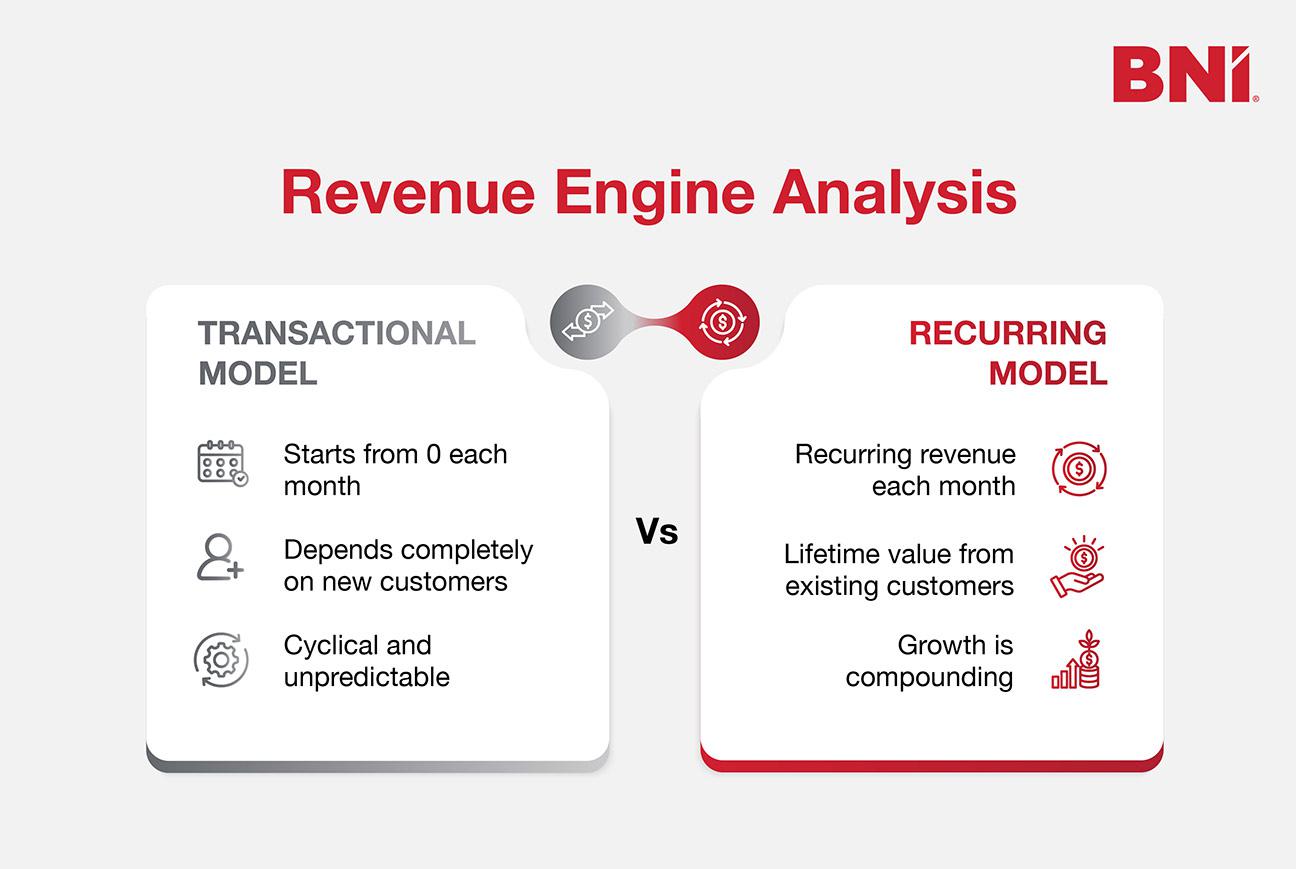
When evaluating a franchise, understand the mechanics of how revenue is earned and retained. Low overhead operational cost combined with recurring revenue creates a materially different ownership experience than a model that requires constant volume to break even.
4. What Kind of Support Does the Franchisor Actually Provide?
Every franchise development website mentions support. The critical question is what that support looks like in practice — before you open, during your launch, and in year three when the initial momentum has settled.
Strong franchisors provide dedicated franchise support that goes beyond a manual and an 800 number. Look for structured onboarding, ongoing coaching, peer communities among fellow franchisees, and a corporate team that treats your success as a direct reflection of theirs.
Ask to speak with current franchisees — not just the ones the franchisor selects for you. Ask them what support looked like when things were difficult, not just when things were easy. That's where you learn what best in class support actually means.
5. Is There Genuine Demand in Your Market?
A franchise is only as strong as the demand that sustains it. Before evaluating any opportunity, consider whether the underlying need it addresses is consistent, seasonal, or trend-dependent.
The most durable franchise categories serve needs that are constant — not driven by a market cycle or a consumer moment. Businesses always need referrals. Professionals always value trusted relationships. Communities always need strong connectors and skilled facilitators. These aren't needs that disappear in a downturn; in many cases, they intensify.
Evaluate the franchise's category, not just the brand. A built-in community that accelerates growth is only possible if the need for that community exists and endures.
6. Who Are the Most Successful Franchisees — and What Do They Have in Common?
This question tells you more about fit than almost anything else. When you look at top performers within a franchise system, a pattern typically emerges. They share certain skills, backgrounds, or motivations. That pattern is your benchmark.
If the most successful franchisees in a system are former operators who thrive on logistics and workforce management, that's important information for a relationship-driven professional to have. If they are coaches, sales leaders, and community builders who leverage credibility and connection, that reveals something entirely different.
Ambitious entrepreneurs who evaluate franchises wisely ask not just "Can I do this?" but "Am I the kind of person this system is designed to support?"
7. What Are You Building Toward?
Franchise ownership is a means, not an end. Before committing to any opportunity, get clear on the outcome you're working toward. Are you building toward financial independence? A legacy in your local business community? A scalable asset you can eventually exit? A vehicle for mission-driven purpose that aligns with your values?
Different franchise models serve different long-term visions. Some are designed for owner-operators who want active involvement indefinitely. Others are built to scale — with the ability to grow a territory, add Chapters, and build a team over time. Clarity on your destination makes the evaluation process sharper and the final decision easier.
A Final Note on the Process
Franchise evaluation is not a sprint. The right opportunity will hold up to scrutiny — and a good franchisor will welcome the scrutiny, not rush you past it.
The seven questions above won't answer themselves, but they will organize your thinking in a way that moves you from "this sounds interesting" to "this is the right fit." That's the shift that matters.
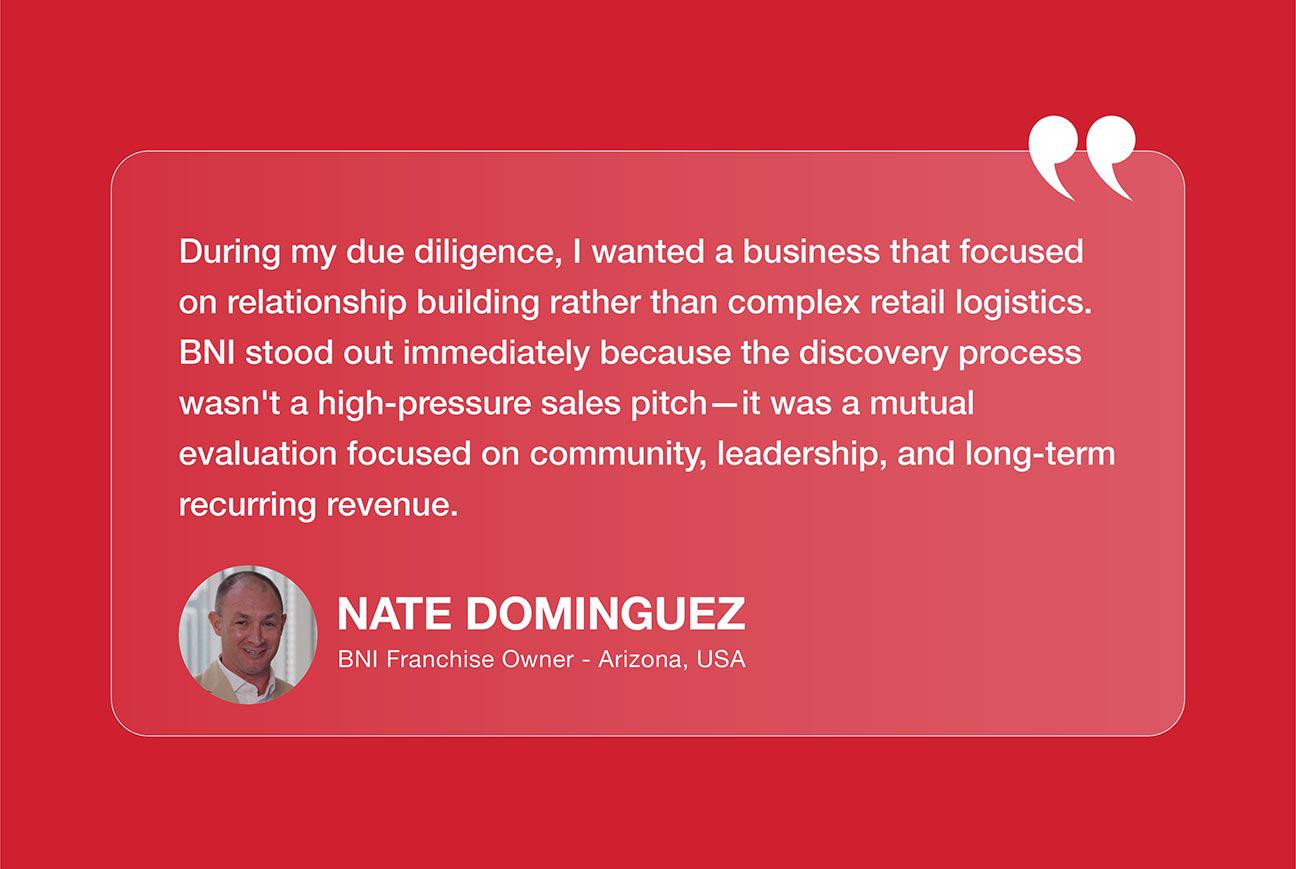
If you're working through these questions and finding that a relationship-driven, low-overhead model with a proven global track record resonates — explore what a BNI franchise could look like in your market.