

Most franchise research starts with the wrong question. People search for the best franchise to own, the cheapest franchise to start, or the most profitable franchise in their industry, before they've answered a more basic one: is franchise ownership something they should be doing at all.
That question doesn't get asked enough, largely because franchise marketing is built to sell a specific opportunity, not to help someone figure out whether ownership in general fits how they work, what they're good at, and what they actually want out of a business. This isn't about any single brand. It's about the handful of honest questions worth answering before you evaluate any franchise, including this one.
Franchise Ownership Is a Specific Kind of Business, Not a Shortcut to One
The biggest misconception about franchising is that it removes risk entirely. It doesn't. What it does is trade one kind of risk for another. You're not building a product, a brand, or a business model from scratch, which removes a huge amount of uncertainty. But you are still building a business: recruiting customers or Members, managing operations, and being accountable for results in a specific market, on your own effort.
A franchise gives you a system. It doesn't give you a guarantee. The owners who succeed are the ones who understand that distinction going in, rather than treating the franchise fee as a purchase of certainty.
Questions Worth Asking Yourself First
Before comparing specific franchise opportunities, it's worth being honest about a few things that have nothing to do with any particular brand.
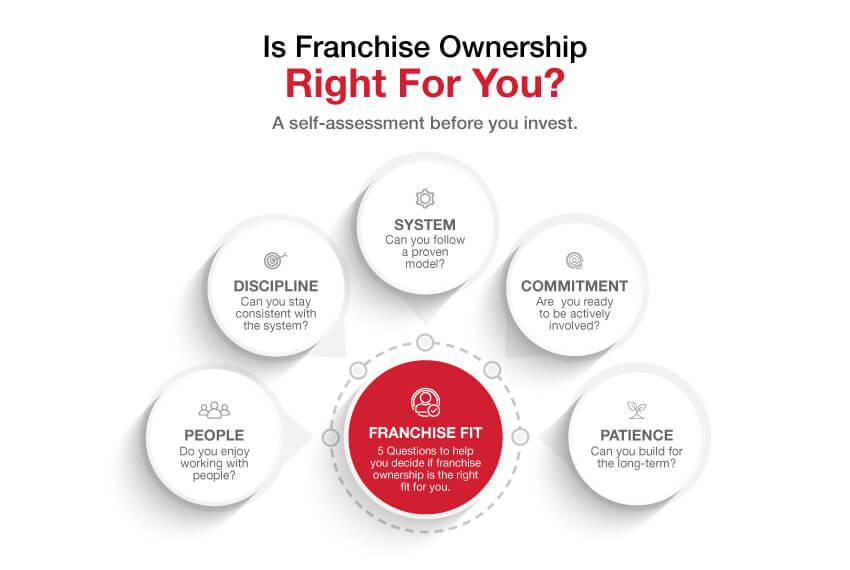
Do you want to follow a system, or do you want to build something entirely your own way? Franchising works because the model is proven and repeatable, but that only pays off if you're willing to execute the playbook rather than rework it. Owners who chafe against structure tend to struggle in franchising, regardless of how strong the brand is.
Are you looking for a business you can be hands-off with, or one you're prepared to lead actively? Some franchise models are closer to passive investments. Many, especially service- and relationship-based ones, require the owner to be genuinely present, particularly in the early years. Knowing which one you're signing up for matters more than the industry you pick.
Can you handle a slow build? Almost no franchise produces meaningful revenue in month one. Most require a runway of months, sometimes longer, before the business reaches a sustainable size. Owners who need fast returns to stay motivated often burn out before a franchise has had time to work. (Sometimes there are resales available of mature Franchisees.)
Are you drawn to the industry, or just the financials? A franchise that looks good on paper but doesn't interest you day to day is a hard thing to stay committed to. The owners who stick with it long enough to see a franchise compound are usually the ones who'd find the work meaningful even without the numbers attached.
The Traits That Tend to Predict Success
Across franchise categories, a few traits show up consistently in owners who do well, independent of the specific brand or industry.
Consistency matters more than intensity. Franchising rewards owners who show up and execute the same fundamentals week after week, not owners who work in bursts and then disengage. Comfort with people is another. Many franchise models, particularly B2B and service-based ones, are built around relationships, which means an owner's ability to build trust and communicate clearly often matters as much as their business background.
Patience with compounding is a third. The franchises that produce the strongest long-term returns are usually the ones built on recurring relationships or repeat business, which means the payoff isn't immediate. This means sometimes there is a slow start in exchange for a business that gets easier and more valuable over time tend to outperform owners chasing quick wins.
And a willingness to follow a system, even when it feels slower than doing it your own way, ties all of it together. The franchise model works because it's been tested. Owners who trust that, especially early on, generally get more out of it than owners who try to shortcut it.
Signs Franchise Ownership Might Not Be the Right Fit
It's just as useful to be honest about the opposite case. If your main goal is complete creative control over every part of the business, an independent startup will likely suit you better than a franchise, where the brand, systems, and often the pricing structure are already defined. If you need income immediately and can't absorb a period of investment before revenue catches up, that's worth weighing carefully against any franchise's realistic timeline to profitability, not just its advertised potential. And if you're not genuinely interested in the day-to-day work, whether that's leading a team, managing operations, or building relationships, a strong brand and a proven system won't make up for that on their own.
None of that means franchising is a bad idea. It means it's a specific kind of business, and specific kinds of businesses fit specific kinds of people.
How to Actually Evaluate a Franchise Once You Know It's the Right Path
Once you've decided ownership in general fits how you want to work, the evaluation shifts to the specific opportunity: the cost structure, the revenue model, the support system, and the track record. Does the model generate recurring revenue or depend on constantly replacing one-time customers? Is there a real, verifiable track record, not just marketing claims? What does the franchisor actually provide in terms of training and ongoing support, and how specific is it? And is the industry itself one you'd want to be in even if the financials were only average?
Those questions apply whether you're looking at a storefront concept, a service business, or a B2B model built around memberships and relationships rather than transactions.
A Model Built for a Specific Kind of Owner: BNI
BNI is a useful example precisely because it isn't the right fit for everyone, and that's by design. A BNI Franchise owner isn't managing a storefront or a crew of hourly employees. They're leading a professional membership community, recruiting Members, and building recurring revenue through relationships rather than one-time sales. It's a B2B (business to business) model with low overhead, no inventory, and revenue that compounds as Chapters mature, but it rewards a specific set of trait of a genuine interest in helping other business owners grow.
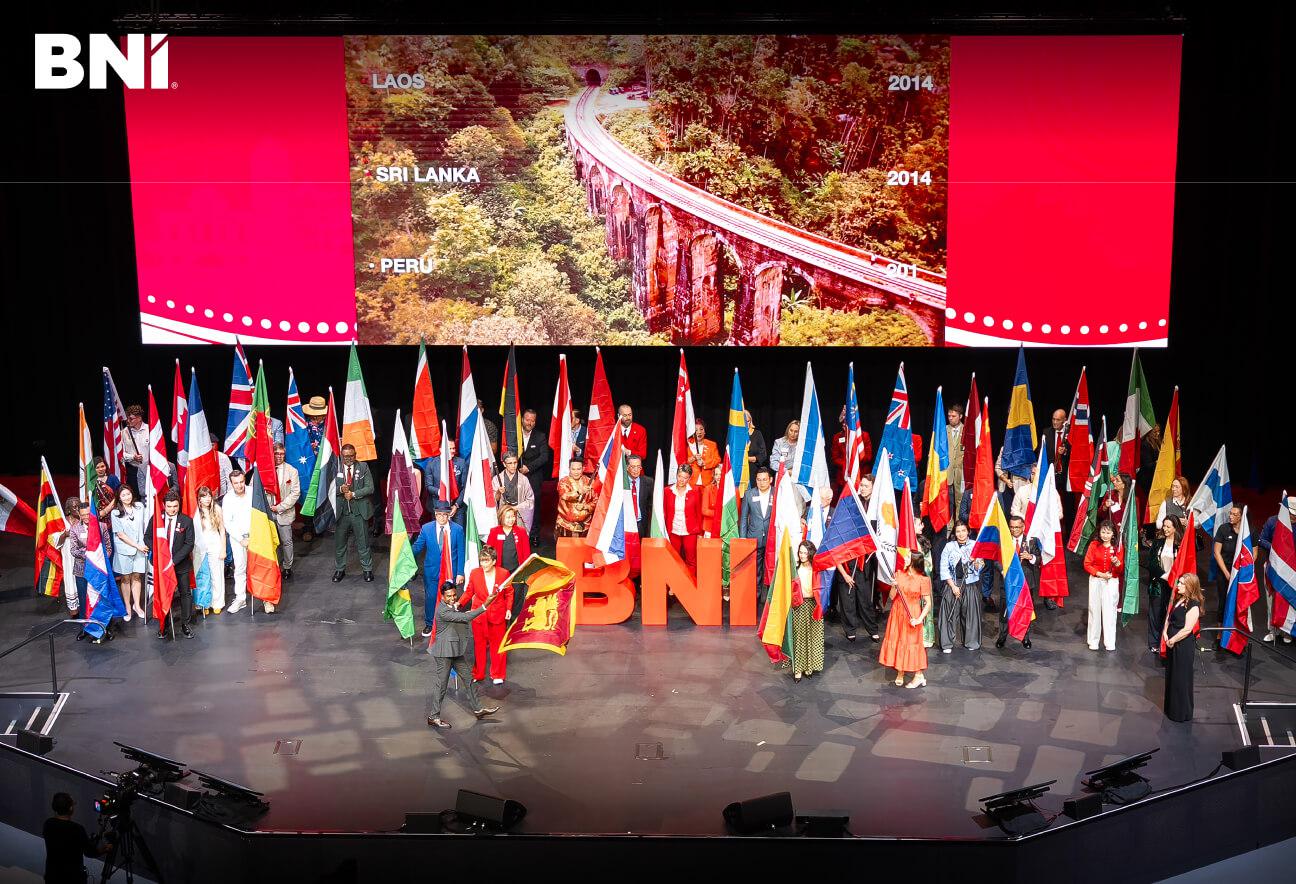
That the model rewards those traits isn't just a claim, it's borne out by the track record: BNI has grown for 41 consecutive years since it was founded in 1985, across more than 78 countries, without a down year. Even through recessions, wars, and pandemics. That kind of consistency doesn't happen unless owners who fit the model keep succeeding in it, year after year, market after market.
That's also why a notable share of BNI Franchise owners started out as Members themselves. They'd already seen the model work from the inside before deciding to own it, which is often the clearest signal that someone is a fit: they didn't just like the numbers, they believed in what the system actually does.
The Bottom Line
Franchise ownership isn't a shortcut, and it isn't right for everyone. It rewards owners who are consistent, comfortable with people, patient with a slow build, and genuinely willing to follow a proven system rather than reinvent it. If that sounds like how you want to work, the next step is evaluating specific models against those same traits, starting with whether the industry itself is one you'd want to build a career around.
Think franchise ownership might be the right fit for you? Think being a BNI Franchise Owner is right for you?
Start a conversation with our franchise development team