

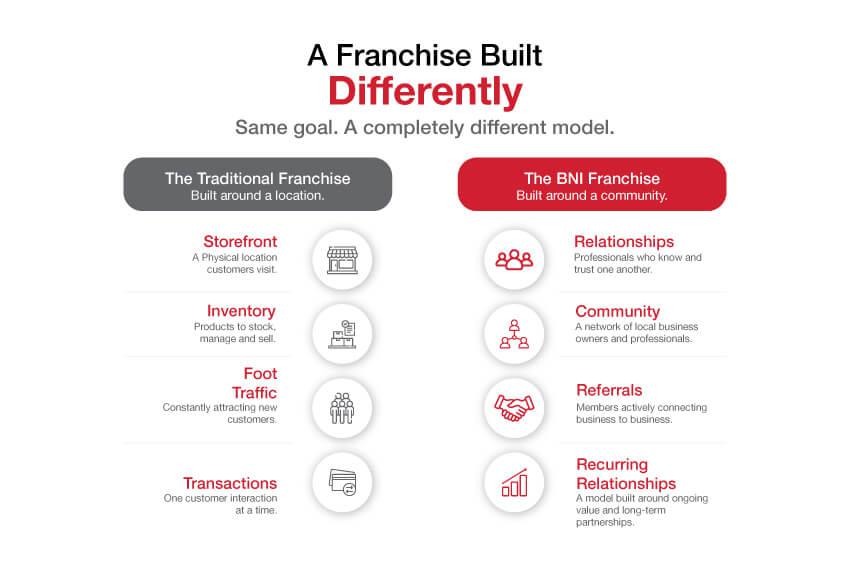
Most franchise searches end up in the same handful of categories: fast food, fitness studios, home services, retail. Those are proven categories, but they also start to look identical to each other a few weeks into research: a storefront or a truck, a staff to hire and manage, foot traffic to compete for. If none of that has felt like the right fit, it's worth knowing a different category of franchise exists, one built around people and relationships instead of a location.
What Actually Makes a Franchise Unique
A franchise being unique isn't just about the industry it's in. What separates a genuinely different opportunity from a variation on the same theme is the structure underneath it. Low-overhead franchises skip the retail lease, the inventory, and the large hourly staff that define most consumer-facing brands, which changes what the day-to-day work actually looks like. Add a business-to-business focus, where the customer is another professional rather than a walk-in consumer, and the model shifts again: B2B franchises are built on relationships and retention instead of constant new-customer acquisition.
BNI sits at the intersection of both. There's no storefront, no inventory, and no consumer foot traffic to chase, all while getting to make a big impact in the community you live in. That's what makes this a genuinely unique opportunity.
A Business Built on People, Not necessarily just a Product
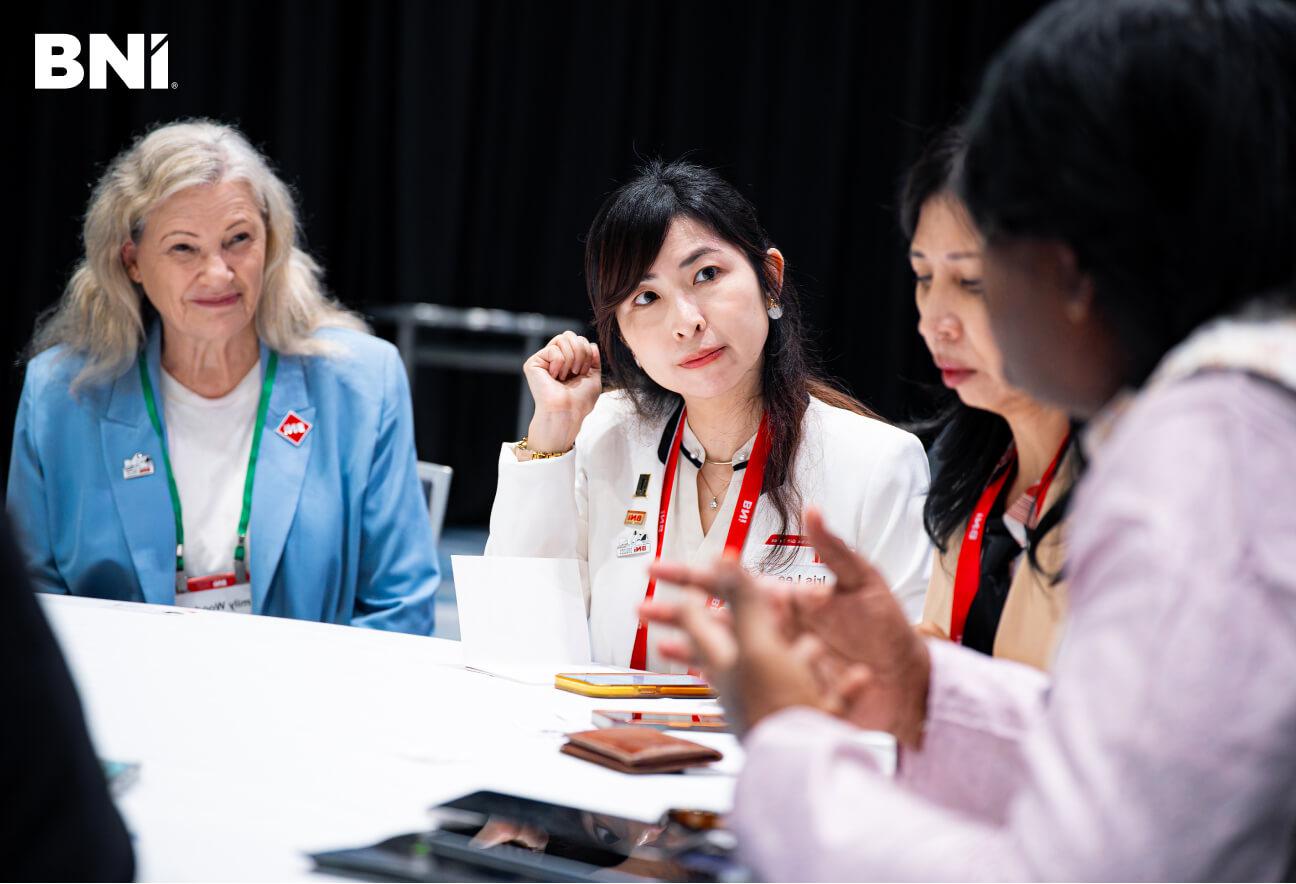
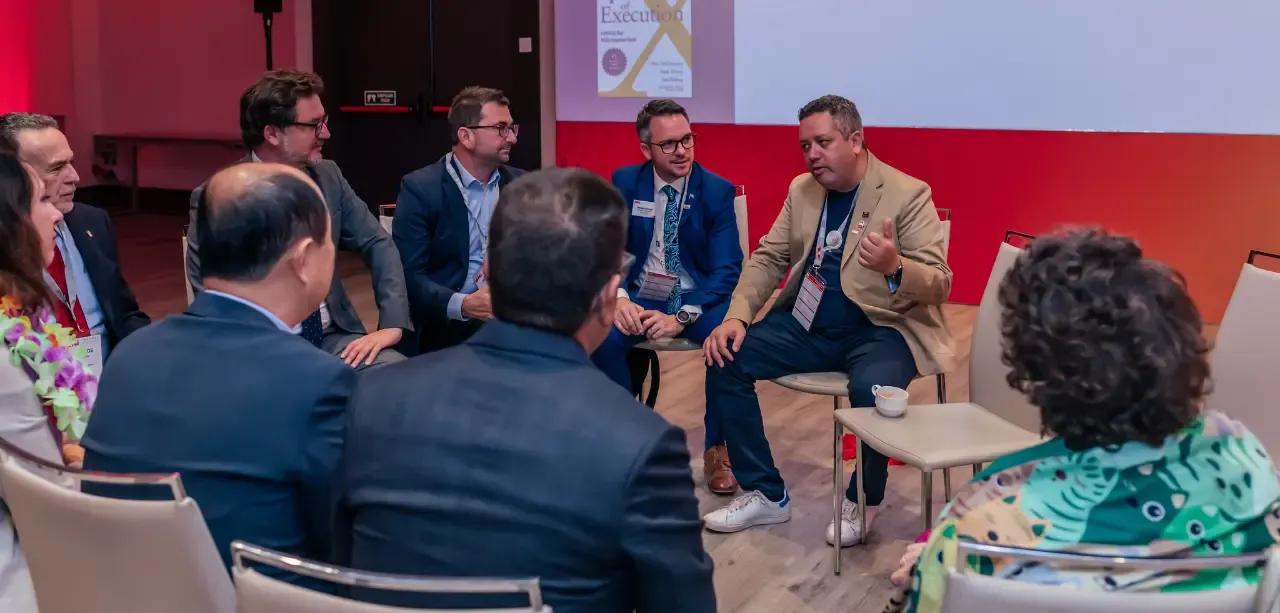
A community-based franchise model turns the business itself into the product. Members meet on a consistent schedule, get to know each other's businesses in depth, and actively refer clients to one another under a structured system, one Member per profession per chapter, so nobody is competing for the same referral. The franchise owner isn't selling anything directly to the group; they're recruiting, supporting, and leading a community of professionals who are doing the real work of building relationships and referring business to each other, backed by advanced technology platforms and structured, ongoing training, fellow franchisees, not figuring it out alone.
That's genuinely different work than running most franchises. It's less about operations and more about leadership: recruiting Members, running weekly meetings, and growing a chapter one relationship at a time. For anyone who's looked at what franchise ownership typically means and pictured themselves behind a counter, this is worth a second look. and pictured themselves behind a counter, this is worth a second look.
The Impact You Can Make in Your Own Community
A franchise built around a storefront changes a neighborhood by giving people somewhere to shop. BNI changes it a different way: by making the local businesses already there stronger. Every chapter a franchise owner builds is a room of local business owners and professionals who start referring work to each other instead of competing alone for the same customers.
For a franchise owner, that adds up to a different kind of reward than most businesses offer. It's not just building a business, it's watching other entrepuners build there businesses. One referral and one growing local business at a time. Owners drawn to that impact, not just the business model, tend to be the ones who stick with this the longest.
Who This Kind of Franchise Actually Fits
This model tends to draw a specific kind of owner: people comfortable leading a room, building trust over time, and measuring success in relationships rather than transactions. Sales leaders, coaches, and consultants often gravitate toward it because the skills the role calls for, credibility, consistency, relationship-building, are the same ones they've already spent a career developing. It's also common for owners to come from inside the organization itself, having been Members before they ever considered leading a chapter, already having seen the community impact firsthand.
It's Different, But It's Not Untested
Being unusual isn't the same as being unproven. BNI is the clearest example of what this looks like at scale: more than 40 years of consecutive growth and more than 355,000 Members worldwide, a structured system refined over decades that's also been checked from the outside. Franchise Business Review independently surveyed BNI franchise owners and published what they found, real, third-party research into what owners actually think, not a marketing claim. That combination, a model that doesn't look like anything else on a typical franchise list, backed by a track record and a Member base that size, is rare.
The Bottom Line
If the standard franchise categories haven't felt right, BNI is worth a genuine look. It skips the storefront, the inventory, and the retail lease that define most franchise opportunities, and replaces them with a professional community the owner builds and leads, all while making a real impact in the community they live in. See what BNI franchise ownership actually involves before assuming every franchise looks the same.
Curious what a genuinely different franchise opportunity looks like, one that changes the community you live in?
Start a conversation with our franchise development team